Clearing Bathroom Mold: When to Clean and When to Fix the Moisture
Bathroom mold is a persistent problem that many homeowners face. The usual response is to reach for a spray bottle and scrub the visible patches away. But that approach often leads to the mold returning, sometimes worse than before. The real question is whether you need cleaning or a more thorough fix that addresses the moisture source. This article compares both options and explains when each one makes sense.
Understanding the Two Approaches
Cleaning surface mold means removing the visible growth from tiles, grout, caulking, and other surfaces. It is a short-term solution that can improve appearance and reduce airborne spores. Fixing the moisture source, on the other hand, involves finding and correcting the reason moisture is accumulating in the first place. That might mean repairing a leak, improving ventilation, or changing how the bathroom is used.
Both approaches have their place, but they serve different goals. Cleaning is about immediate relief. Fixing the source is about long-term prevention. A complete bathroom mold remediation plan often includes both steps, but understanding the distinction helps you decide where to focus your effort and money.
When Cleaning Surface Mold Is Enough
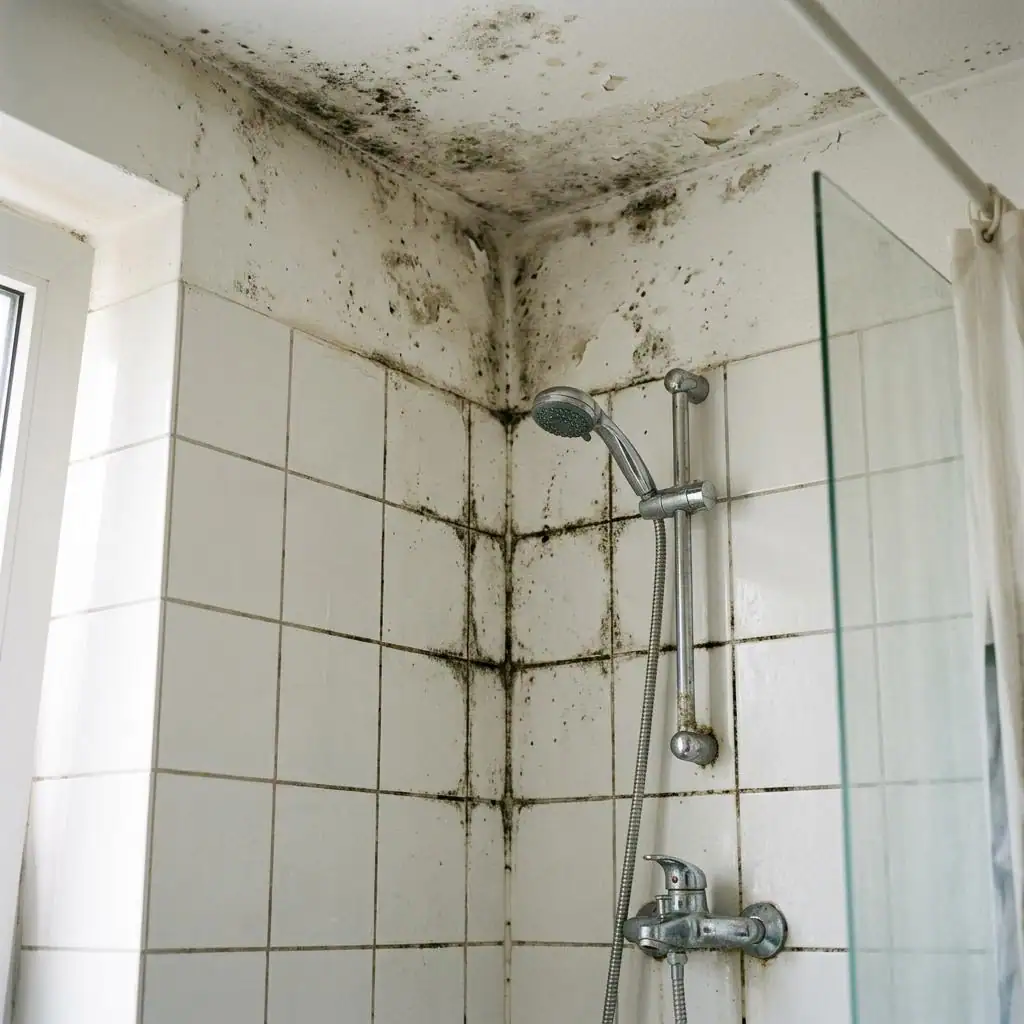
Cleaning is appropriate when the mold is light, surface-level, and the bathroom is generally dry and well-ventilated. If you notice a small patch of mildew on the shower caulk or a faint dark spot on the grout, a thorough cleaning with a mold-killing product may be all that is needed. The key is to address it quickly before it spreads.
For this scenario, use a cleaner specifically labeled for mold and mildew. Wear gloves and a mask, ensure the room is ventilated, and scrub the affected area. After cleaning, dry the surface completely. If the mold does not return for several months, the cleaning was sufficient.
Cleaning is also a good first step when you are preparing to sell a home or just want a quick cosmetic fix. However, remember that cleaning only removes what you can see. Hidden mold behind walls or under flooring will remain untouched.
When You Must Fix the Moisture Source
If mold returns within weeks of cleaning, the problem is not the mold itself but the conditions allowing it to grow. Bathrooms are naturally humid, but persistent moisture usually points to a specific issue. Common culprits include a slow pipe leak behind the wall, a leaking shower pan, a faulty toilet seal, or poor ventilation that traps steam after showers.
In these cases, no amount of cleaning will solve the problem. The moisture will keep feeding mold, and the growth will reappear. Fixing the source requires detective work. Look for water stains, peeling paint, soft drywall, or musty odors. A moisture meter can help identify damp spots that are not visible. Once you locate the source, the repair may involve calling a plumber, a contractor, or a mold remediation specialist.
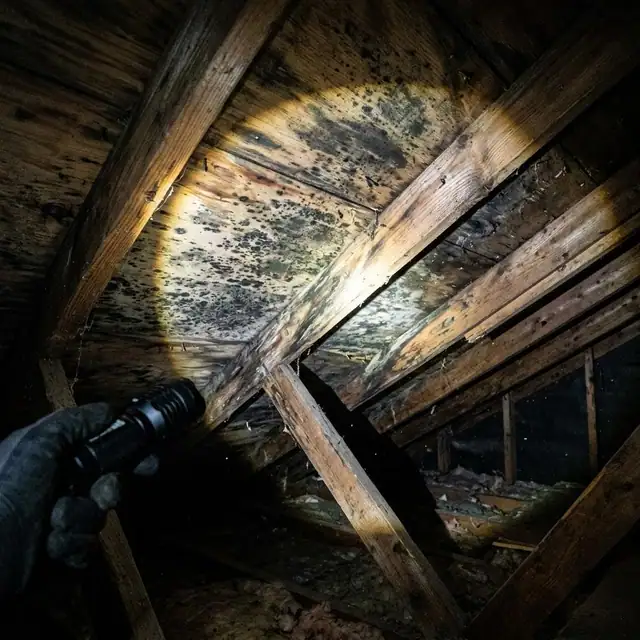
Fixing the moisture source is also essential when mold has penetrated porous materials like drywall, wood, or insulation. These materials cannot be fully cleaned; they must be removed and replaced. Ignoring hidden moisture can lead to structural damage and health concerns over time.
The Role of Ventilation
Ventilation is a cross-cutting factor that affects both cleaning and source-fixing. Even after you clean or repair, poor airflow will allow moisture to linger. An exhaust fan that vents to the outside, run during and for at least 20 minutes after a shower, makes a huge difference. If your bathroom lacks a fan, consider installing one or using a dehumidifier.
Opening a window after showering also helps, especially in warmer months. But in colder climates, condensation on windows can itself become a mold problem. The goal is to keep the bathroom dry between uses. A simple habit like squeegeeing the shower walls and drying the curtain can cut moisture significantly.
When to Call a Professional
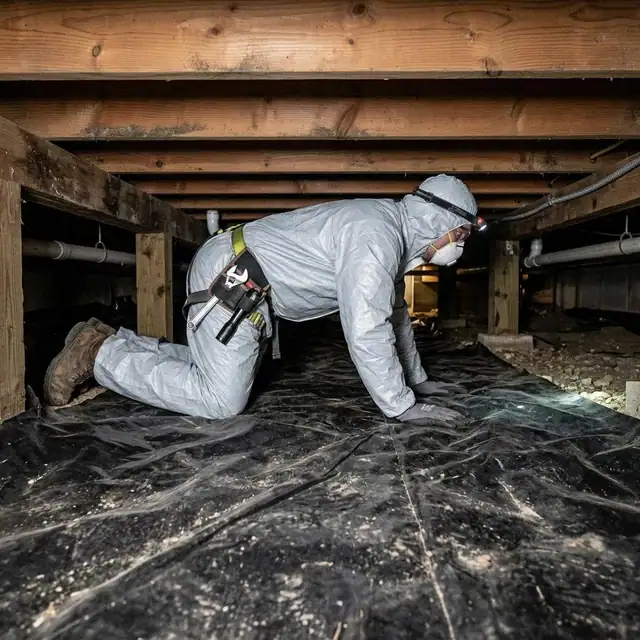
Some situations call for professional help. If mold covers a large area (more than a few square feet), if you suspect hidden mold inside walls, or if you have health concerns like asthma or allergies, it is wise to bring in a specialist. Professionals have equipment to detect hidden moisture, containment methods to prevent spore spread, and experience with proper removal and disposal.
A service like Mold Removal Boston Pros Bathroom Mold Remediation can assess the full picture. They look at visible growth, but they also check for hidden moisture, damaged materials, and ventilation problems. This comprehensive approach ensures that the mold is not just cleaned but that the conditions allowing it are addressed.
If you decide to go the professional route, ask about their inspection process. A thorough evaluation should include moisture readings, a check of the ventilation system, and a plan for repairing any water damage. Avoid companies that only offer to spray and wipe without investigating the cause.
Comparing Costs and Effort
Cleaning surface mold costs little beyond the price of a cleaner and some elbow grease. It can be done in an afternoon. Fixing a moisture source can range from a simple caulking job to a major renovation involving wall repair and new plumbing. The cost and effort vary widely, but the investment pays off if it stops the mold from returning.
A good rule of thumb is to start with cleaning if the mold is minor and the area dries out easily. If the mold keeps coming back or if you suspect a hidden leak, invest in finding and fixing the source. Delaying that fix often leads to more extensive damage and higher repair costs later.
Practical Steps for Homeowners
Here is a simple process to decide your next move:
- Inspect the visible mold. Is it a small patch or widespread?
- Check for moisture clues: water stains, soft spots, condensation on windows.
- Consider how quickly the mold returns after cleaning.
- Evaluate your ventilation. Does the fan work and vent outside?
- Decide whether the mold is on a non-porous surface (tile, glass) or porous material (drywall, wood).
If you answer that the mold is on non-porous surfaces and does not return quickly, cleaning is likely sufficient. If the mold is on porous materials or returns fast, focus on the moisture source.
Mold Removal Boston Pros Bathroom Mold Remediation takes this integrated view. They do not just clean what is visible; they identify the underlying issues that allow mold to thrive. For Boston homeowners dealing with persistent bathroom mold, this kind of thorough approach can save time and frustration in the long run.
Prevention After Remediation
Once you have cleaned and fixed the moisture source, keep the bathroom dry. Use the exhaust fan, wipe down surfaces after showers, and fix any new drips or leaks promptly. Check caulking and grout annually and reapply as needed. A little routine maintenance goes a long way in preventing mold from returning.
Also consider a bathroom renovation if the current setup is prone to moisture problems. For example, replacing a shower curtain with a glass door can reduce damp fabric. Installing a timer switch on the fan ensures it runs long enough to remove humidity. These upgrades are not always necessary, but they help in bathrooms with chronic moisture issues.
In the end, the choice between cleaning and fixing the moisture source depends on the specific situation. Cleaning is quick and cheap for minor mold. Fixing the source is more involved but addresses the root cause. A complete bathroom mold remediation strategy uses both, tailored to what the bathroom actually needs.